Vibe Coding: The End of Programming as We Knew It
Published on 2026-05-13
Vibe Coding: The End of Programming as We Knew It Your next teammate doesn't need a coffee break. --- There's a new term floating around engineering teams: vibe coding. If you haven't heard it yet, y...
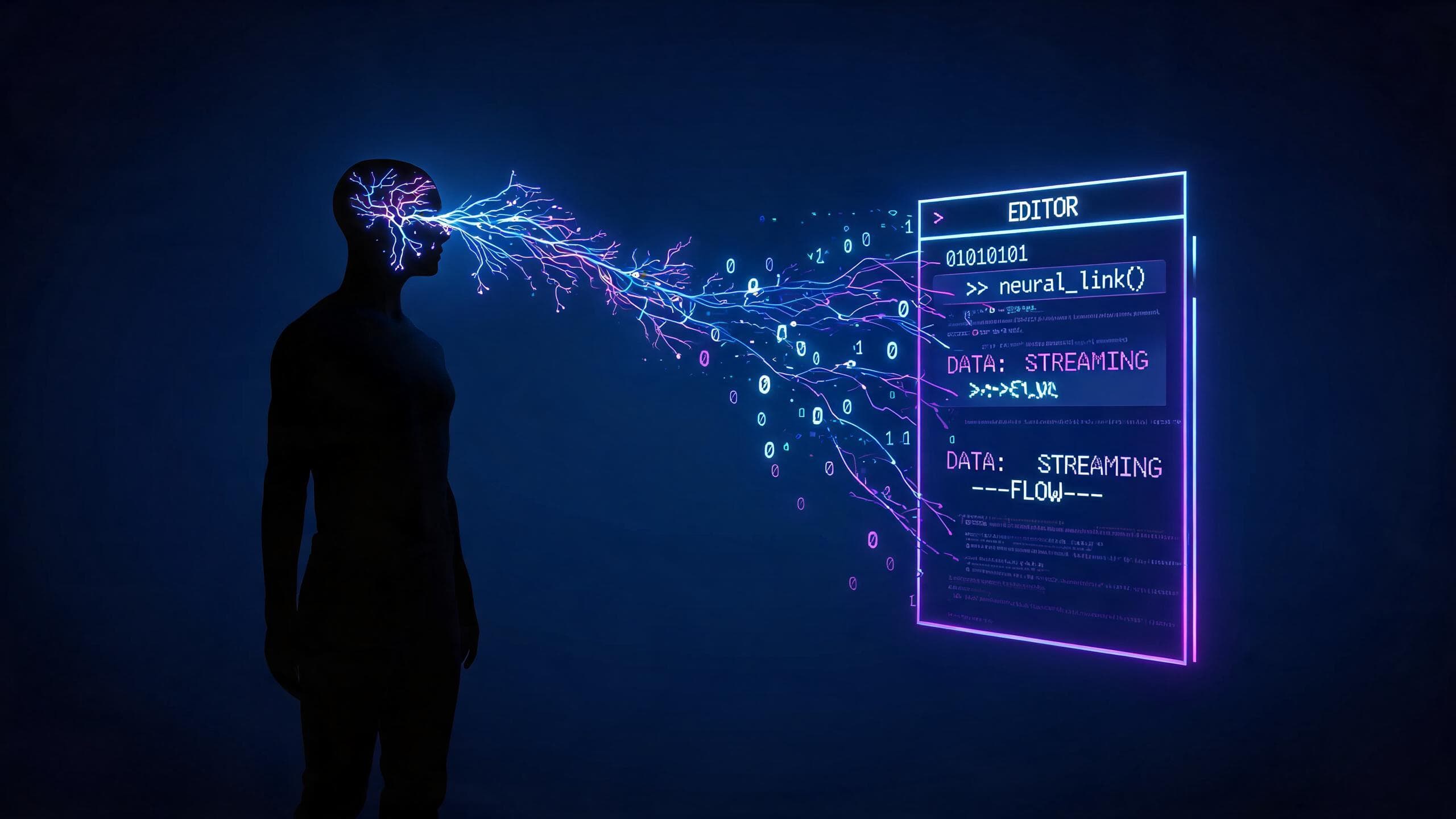
Vibe Coding: The End of Programming as We Knew It
Your next teammate doesn't need a coffee break.
There's a new term floating around engineering teams: vibe coding. If you haven't heard it yet, you will. It's the practice of building software by describing what you want to an AI — in plain English, often messily, sometimes inconsistently — and letting the model figure out the implementation.
Not pair programming. Not AI-assisted development. Just: you talk, the code appears. You review. You iterate. The machine handles the mechanics.
Engineers who do this describe a strange sensation. It's like having a junior developer who never sleeps, never gets tired, never argues about architecture, and will happily rewrite the entire backend three times if you change your mind about the approach. The tradeoff is that you stop being the person who writes code and become the person who judges it.
The interesting question isn't whether this is real. It is. The interesting question is what it means for the next decade of software engineering.
The Mechanic and the Architect
Every craftsman has a relationship with their tools that's deeper than functional. A chef doesn't just use knives — they feel the weight, the balance, the way a particular steel holds an edge. A mechanic can diagnose an engine by the sound it makes, knowledge that lives in their hands as much as their head.
Programming was like this. The best engineers had intuition about systems that came from years of writing code, debugging it, watching it break in production. They knew, at a bone-deep level, how a memory leak feels, what a race condition looks like when it manifests at 3 AM, why a particular abstraction would eventually collapse under its own weight.