Vibe Coding: The End of Traditional Programming as We Know It
发布于 2026-05-15
Vibe coding is transforming software development from a craft of typing to a discipline of intent. AI agents now handle implementation, leaving humans to focus on judgment and creativity. This article explores what that shift means, why it matters now, and where it's all heading.
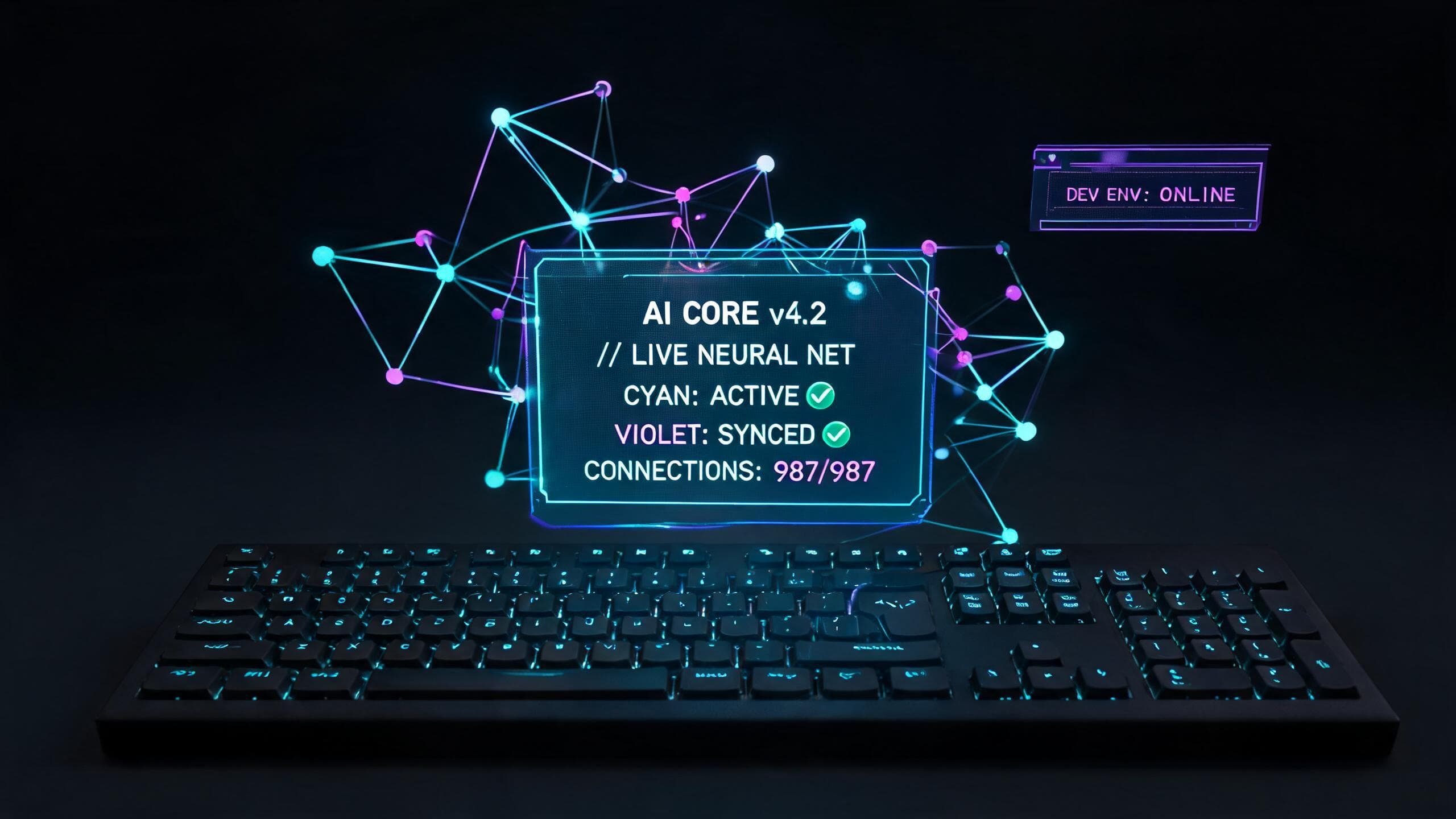
Vibe Coding: The End of Traditional Programming as We Know It
There's a quiet revolution happening in software development. No press conferences, no viral benchmarks—just a fundamental shift in how code gets written. They call it "vibe coding," and if you're still writing code the old-fashioned way, you might be building your last project the hard way.
What Exactly Is Vibe Coding?
Vibe coding is the practice of describing what you want in natural language—complete with your intent, your constraints, your aesthetic—and letting a sufficiently powerful AI agent translate that into working software. It's not pair programming. It's not copy-paste from ChatGPT. It's something stranger and more consequential: you're the architect, but the AI is the entire construction crew.
You say "build me a REST API that handles user authentication with JWTs, stores everything in PostgreSQL, and has a clean React dashboard." The AI asks exactly zero clarifying questions you didn't already answer. Three minutes later, you have a working backend, database schema, migrations, and frontend—not a sketch, not a template, but production-adjacent code that passes linting and runs on the first try.
This isn't hypothetical. This is Tuesday for developers who've fully embraced the workflow.
Why Now? The Technology Finally Caught Up
For years, AI-assisted coding was a party trick. Copilot autocompleted your loops. ChatGPT wrote your boilerplate. Useful, but incremental—the tools amplified your existing skills without replacing the grind.